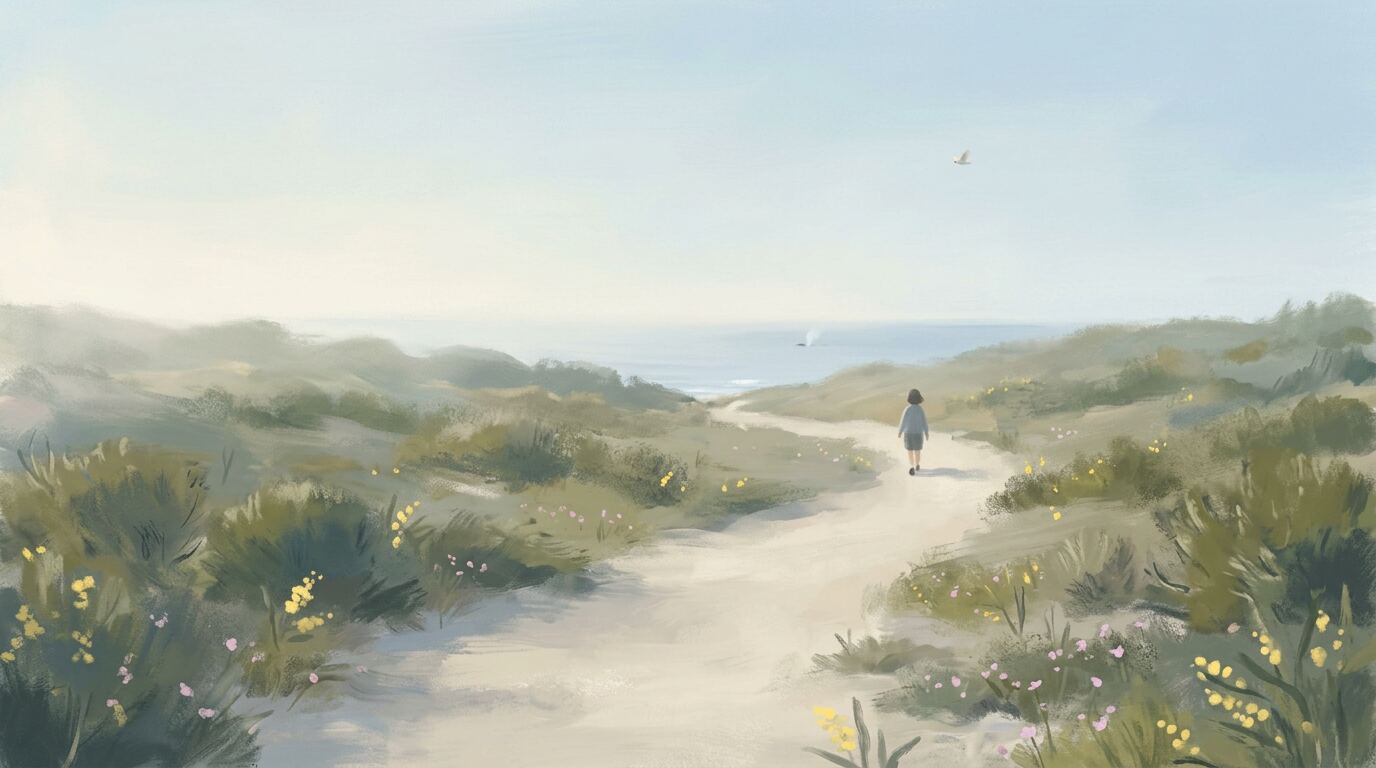
Ask a local their favourite season and most will say winter — we've made that argument ourselves. But watch what those same people do with their calendars and you'll notice something: the good stuff gets booked for October.
Spring is Manly's most underrated stretch, and the numbers back it up. August through October is the driest run of the year — high-pressure systems park over the continent and Sydney gets weeks of clear, settled weather. The whales come back past the headland, slower and closer than on the way up. The heath on North Head flowers. The water climbs back out of wetsuit territory. And the summer crowds that turn the Corso into a contact sport in January haven't arrived yet.
It's also the season with the most traps for visitors. The UV goes extreme while the air still feels mild. The wind switches on around lunchtime. And the magpies have opinions.
Here's how to spend a spring day, weekend or week in Manly.
The whales come back — with calves this time
The southern run is the better half of the migration and hardly anyone plans around it.
From September to November the same humpbacks that streamed north in June and July work their way back down to Antarctica — this time with brand-new calves. The southbound leg is slower, closer to shore, and far more likely to give you a mother teaching a calf to breach a few hundred metres off the rocks. Fewer whales overall than the winter peak, but the closest passes of the year.
The practical upside: in September and October you can usually walk onto a boat the same day, where June and July weekends sell out a week ahead.
We've covered the migration, the species, the free lookouts and the operators worth booking in full — see the whale watching guide. For spring specifically, the short version is: North Head Lookout early, before the wind gets up, and bring binoculars.
North Head in bloom
This is the one spring sight Manly has that Bondi simply cannot match, and most visitors walk straight past it.
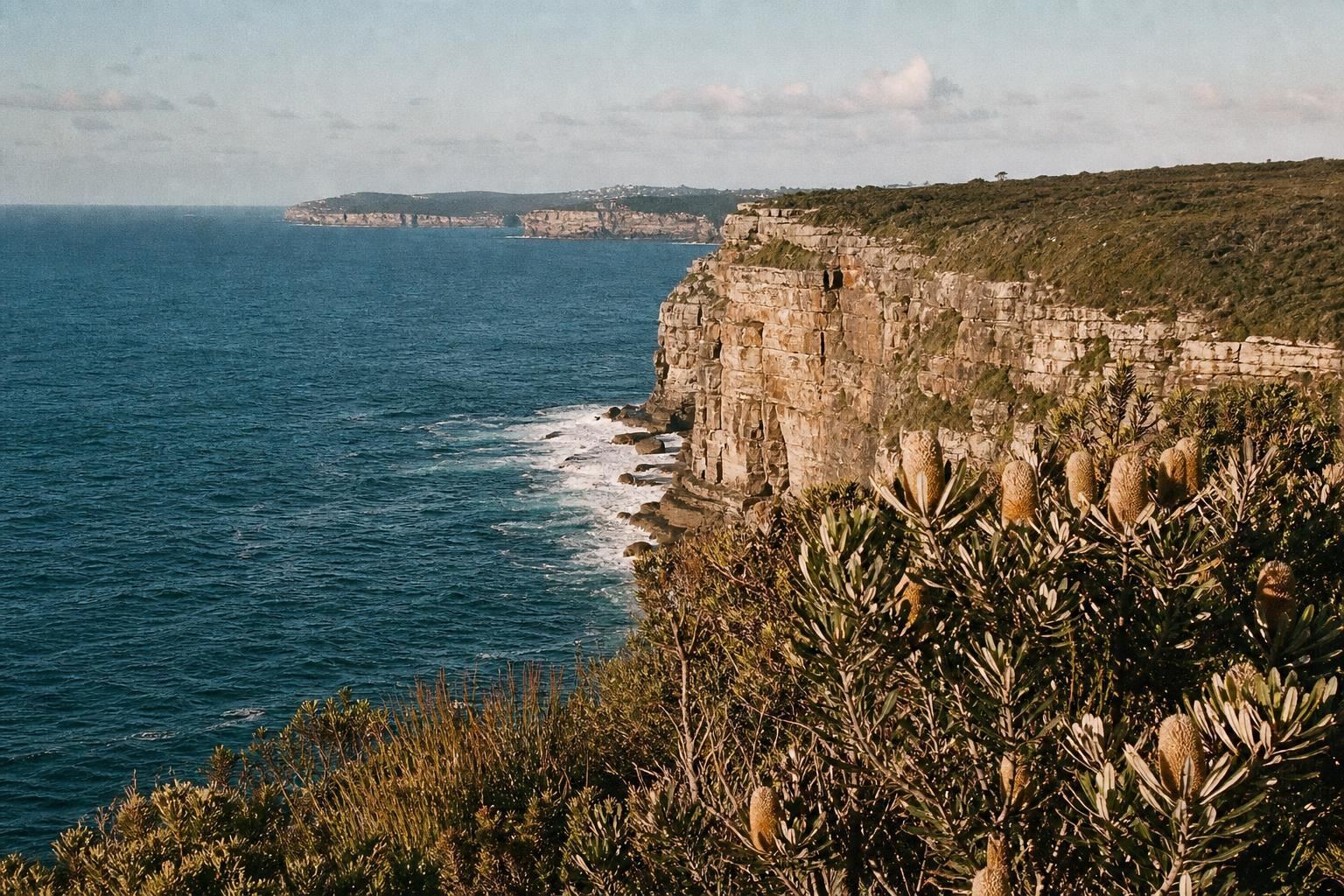
The clifftops at North Head Sanctuary carry a rare coastal heathland — including one of Sydney's last remaining patches of Eastern Suburbs Banksia Scrub, an ecological community that's been almost entirely cleared everywhere else it once grew. For most of the year it reads as scrubby green bush. In spring it detonates: wattle and acacia in yellow, banksia, pink boronia, and a long tail of smaller flowering natives through September and October.
The walking loops run from 3km to about 8km and are easy to moderate — the same tracks that take you out to Fairfax Lookout and its 180° view across the harbour mouth to the open Pacific. Which means you can do the wildflowers and the whale-watching on the same walk, in the same hour, for free.
A few things worth knowing:
- The North Head Sanctuary Foundation runs guided Spring Wildflower Walks through the season. Worth it if you want to know what you're looking at — the heath rewards someone pointing things out.
- Their visitor centre, Bandicoot Heaven, opens Saturdays and Sundays, 10am to 4pm.
- The sanctuary is also home to long-nosed bandicoots and the last little penguin colony on the NSW mainland. You won't see the penguins from the tracks — they nest on boat-access-only Store Beach — but the bandicoots are genuinely around at dusk.
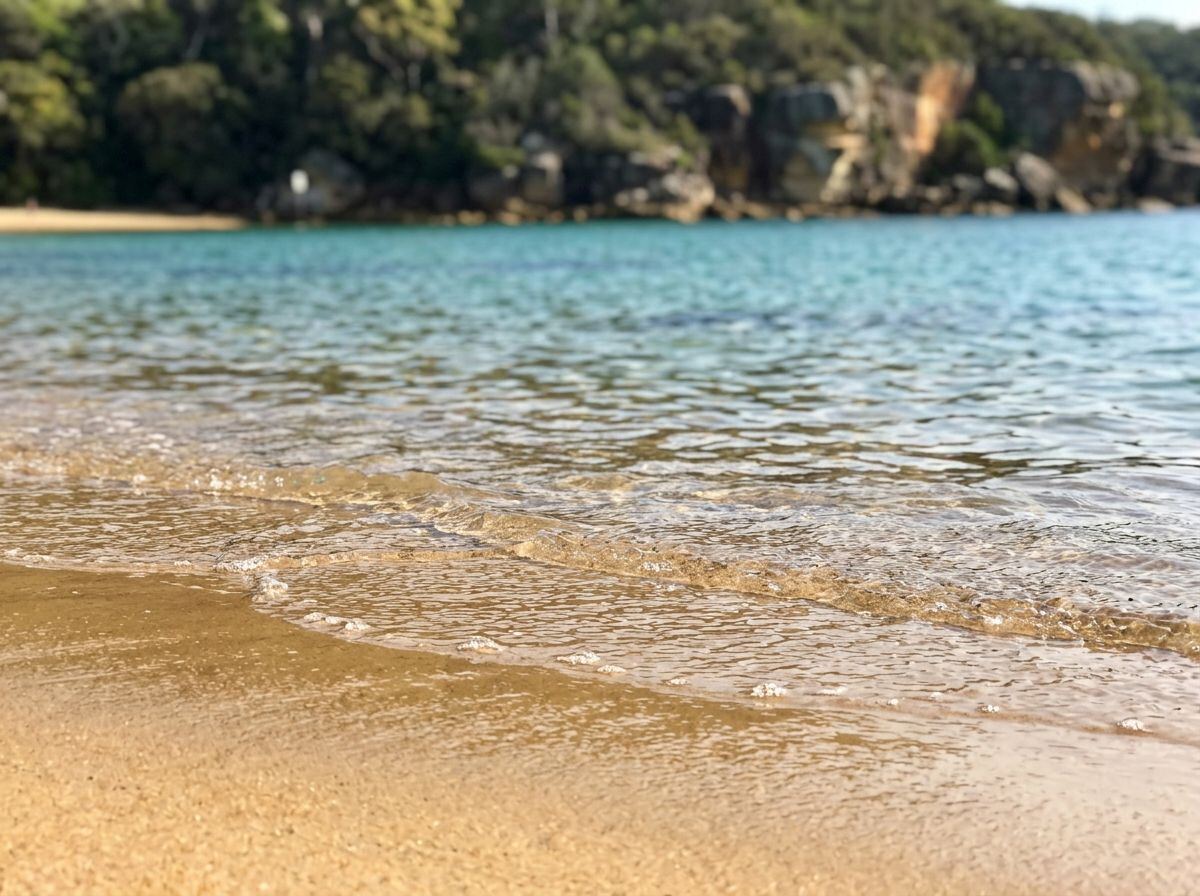
For the history underneath all this — gun emplacements, the quarantine station, the third quarantine cemetery — the North Head historical walk covers the same ground with a different lens.
The water turns
Spring is when Manly stops being a wetsuit town.
The ocean lags about a month behind the air, so it bottoms out in August at around 16°C — brisk, swimmable in a spring suit, and the reason the line-up is thin in early September. Through July to September the water sits at 16–18°C. Then October and November bring the rebound: the water climbs back through 18–20°C, the days stretch out, and the beach comes back to life. Most locals are back in the surf by October without much ceremony.
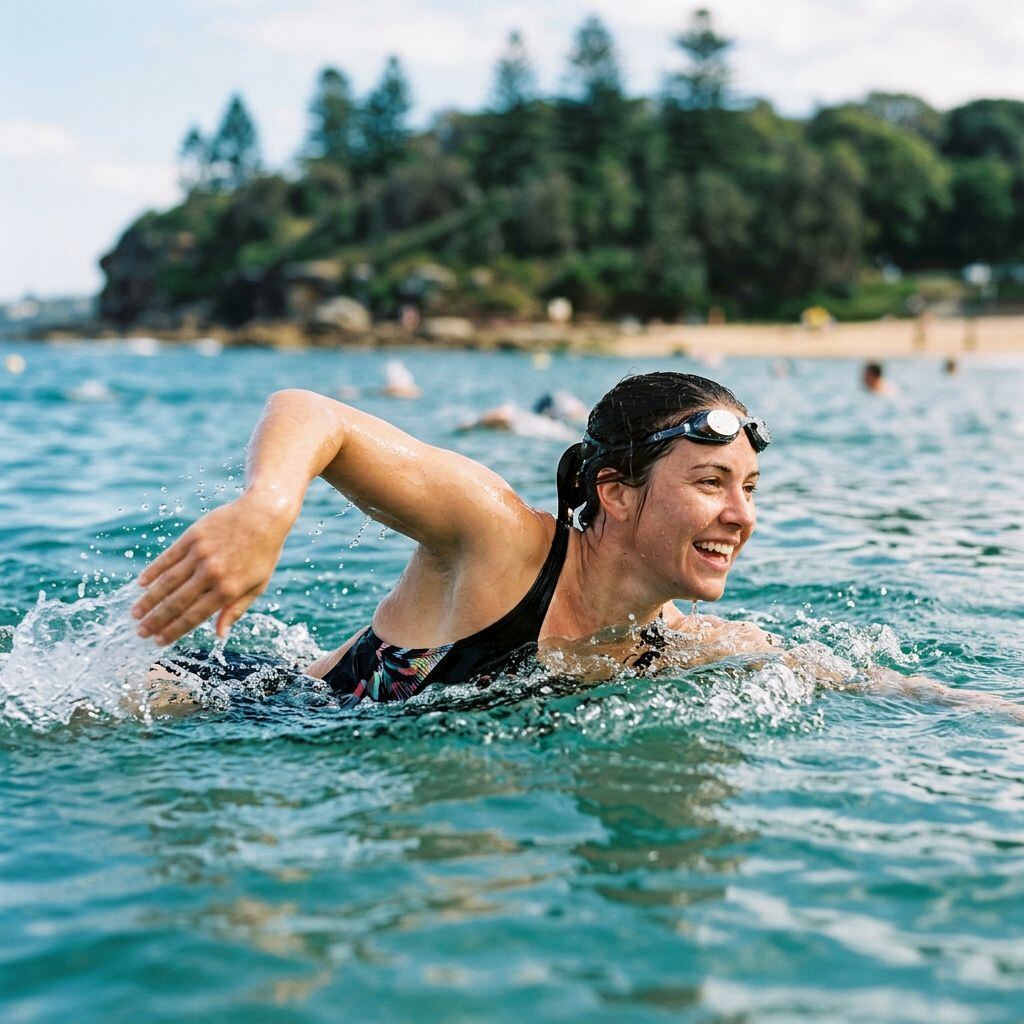
Two spring-specific notes:
Shelly Beach runs about a degree warmer than the open ocean — it faces west and sits sheltered inside Cabbage Tree Bay. In September, one degree is the difference between a nice snorkel and a short one. It's also where the blue gropers are, and they don't migrate.
The UV is the trap. From October to March the daily UV index peaks at 10–12 — "extreme" on the international scale. In October the air is still mild, the breeze is cool, and nothing about the day feels dangerous, which is exactly why people get burnt. The sun does not care that you're comfortable. Sunscreen from October onward is not optional.
If you want the full picture on temperatures, rainfall and daylight through the year, the weather and water temperatures guide has the charts. For flags, rips and everything else about getting in safely, read is it safe to swim at Manly.
Jazz, and the rest of the spring run
Spring carries the biggest weekend on Manly's calendar.
Manly Jazz runs 18–20 September 2026 — Australia's longest-running jazz festival, and it is free and non-ticketed. More than 70 acts across four outdoor stages on the beachfront plus ten-odd indoor venues around town. It's the one weekend a year when the whole suburb is the venue.
It is also, predictably, the busiest non-summer weekend of the year. Book a bed early, don't plan to drive, and read the Manly Jazz guide for which stages are worth standing at and where to eat between sets. For the rest of the month — the art prize's final weeks and the flags going back up — see what's on in Manly this September.
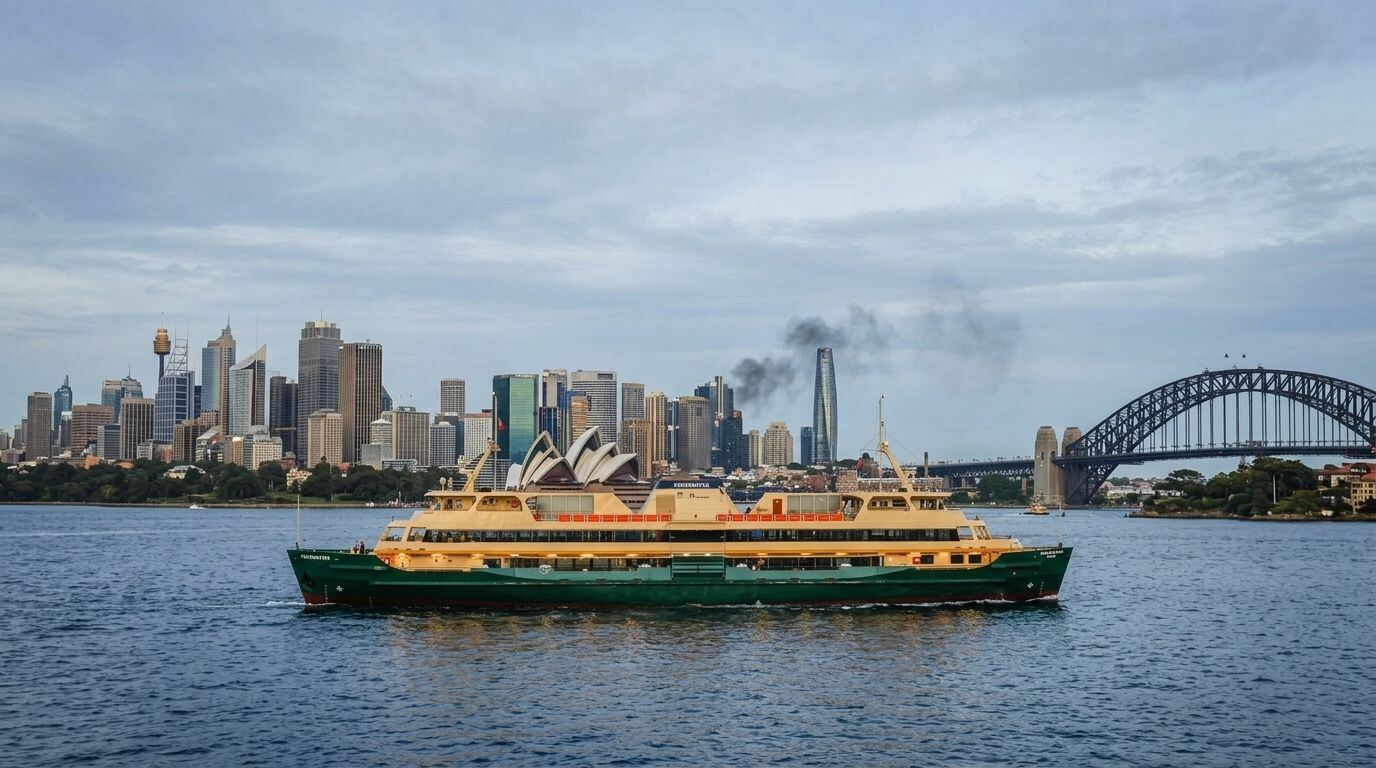
Two more worth building a spring trip around, both a ferry ride away:
- Sculpture by the Sea, Bondi — 16 October to 2 November 2026, and this one is the 30th anniversary. Sixty-odd sculptures along the 2km Bondi-to-Tamarama coast walk, free to the public, the largest exhibition of its kind in the world. Do it as a day trip: ferry to Circular Quay, then across.
- Jacaranda season — Sydney turns purple from late October to mid-November, peaking in the second week of November. Be honest with yourself though: Manly is not the jacaranda suburb. The famous streets are on the lower North Shore — McDougall Street in Kirribilli above all, where thirty 1930s trees form a purple tunnel and the council closes the road on weekends to handle the crowds. Go at sunrise, and go via the ferry.
How to plan around the wind
This is the piece of local knowledge that will change your spring days more than anything else here, and it's in no guidebook.
Spring is Sydney's windy season. The mechanism is simple: the land warms up much faster than the ocean does, warm air over the land rises, and cooler air comes in off the sea to replace it. That's the north-easterly sea breeze, and in spring it is close to daily.
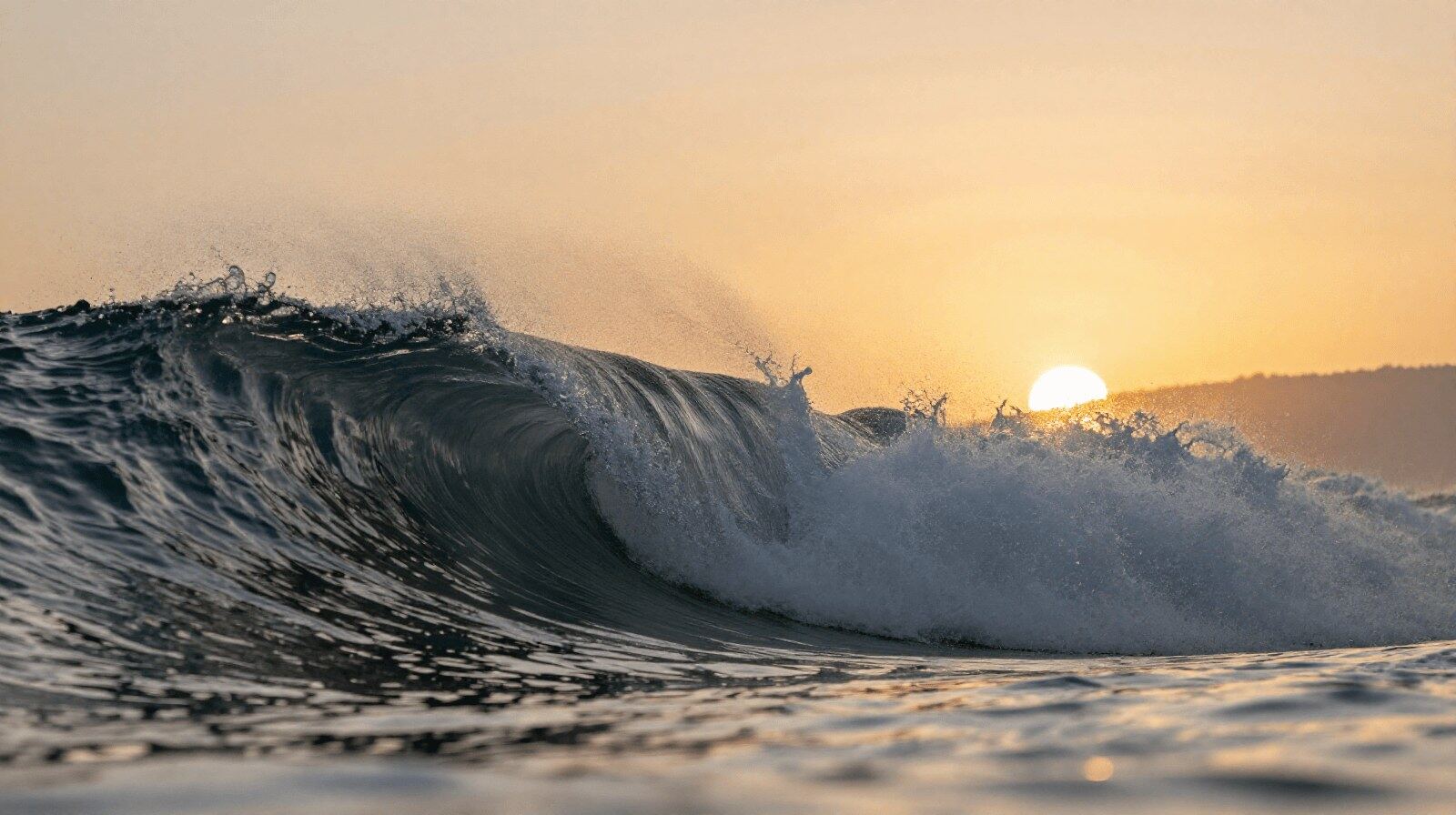
What it means in practice:
- Mornings are the good part of the day. Glass or near it, light offshore, clean water.
- The breeze builds from mid-morning and strengthens through the afternoon before dropping away in the evening.
- Spring's morning window is shorter than winter's. Because the land heats so quickly this time of year, the offshore period burns off earlier than it does in July. A winter dawn patrol might stay clean until 11am. A spring one might not last past 9.
So: swim, surf, snorkel and walk the headland early. Save the afternoon for the Corso, a long lunch, a gallery, the pub. If you're learning to surf, book the morning lesson — it isn't just easier, it's a different ocean.
The upside of all that wind: it's why spring skies are so clear, and why September and October are the months to pick if you're nervous about rain wrecking a trip.
Magpie season
From roughly August to November, Australian magpies nest, and a small minority of them defend that nest by swooping anything that walks past. Peak swooping is September, when the chicks are at their most vulnerable, and any individual bird only keeps it up for six to eight weeks. In 2026 the first Sydney reports came in at the end of July, so the season is already underway. Magpies are one line on a much longer list — the Manly wildlife guide covers the rest, including the penguins you won't see.
Some context before anyone cancels a walk: the overwhelming majority of magpies never swoop anyone, and the ones that do are targeting a perceived threat to their chicks rather than you personally. Nobody in Manly reorganises their life around this. But you'll be on bushland tracks in spring, so:
- Swooping birds are territorial and stationary. It's the same bird on the same 100 metres of path. Walk a different way and the problem evaporates.
- They swoop from behind. Watching them tends to stop them — which is the entire logic behind the cyclist trick of drawing eyes on the back of a helmet.
- Don't run, and don't flap. Walk briskly and steadily. Running reads as fleeing prey and makes it worse.
- Cyclists get it worst. If you're riding to Manly Dam or through the North Head tracks, dismount and walk through a known hot spot. Both are in the bike guide, which has the routes in full.
- Locals log active birds on Magpie Alert, which is worth thirty seconds if you're heading somewhere new.
It's a genuinely minor thing that visitors find alarming and locals find funny. Now you know.
School holidays, and when spring gets busy
Spring is shoulder season — right up until it isn't.
The NSW spring school holidays run Monday 28 September to Friday 9 October 2026 (Term 3 ends Friday 25 September; Term 4 starts Tuesday 13 October). For that fortnight the beach, the ferry and every café with a high chair get substantially busier, and accommodation prices follow.
That gives spring three distinct moods:
- Early-to-mid September — the quietest and best-value window of the whole season. Water still cool, whales arriving, town calm. This is the sweet spot.
- 18–20 September — Manly Jazz. Wonderful, and completely full.
- 28 September to 9 October — school holidays. Great if you're travelling with kids and the family playbook applies; avoidable if you're not.
- Mid-October to November — warming up, longer days, crowds building steadily toward summer. Sculpture by the Sea and jacarandas land here.
If you're still deciding when to come at all, the month-by-month breakdown in the best time to visit Manly weighs all twelve against each other.
A perfect spring day in Manly
6:45am — Walk to North Head while it's still glassy. Wildflowers along the heath, then out to Fairfax Lookout. Scan for whales; September and October are when the calves come past. Bring binoculars and a jumper — it's cooler up there than in town.
8:30am — Back down for breakfast. The outdoor tables are worth using again by now, and you've earned one.
9:30am — Get in the water before the north-easterly does. Shelly Beach for a snorkel if it's early October and you want the extra degree; the main beach for a surf while it's still clean. This is the window — use it.
11:30am — Wander the Corso as the breeze comes up. If it's a Saturday, the markets are on.
1pm — Long lunch somewhere with a view of the water and some shelter from the wind. The where-to-eat guide has the full list by budget.
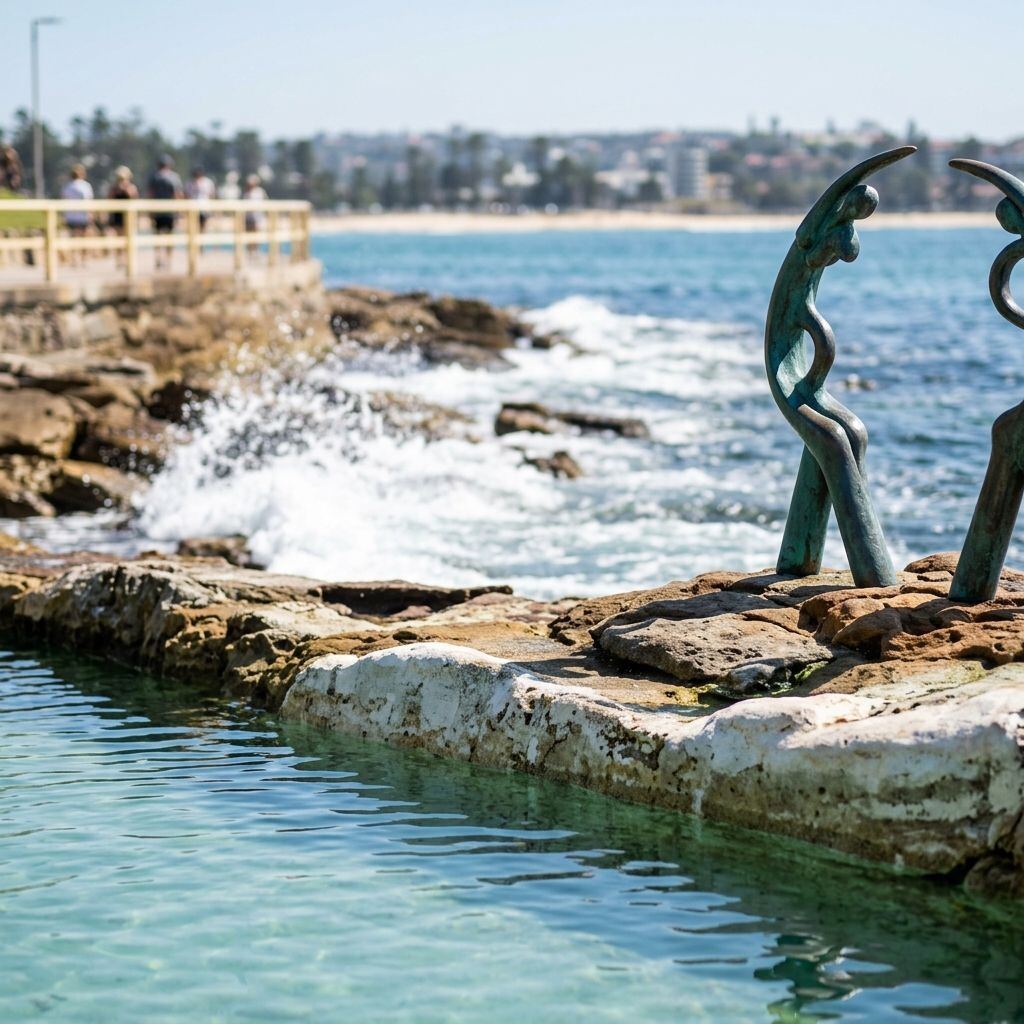
3pm — The afternoon is for the sheltered side of the peninsula. Walk around to Fairy Bower and the Bower Kiosk, or take the harbour path toward North Harbour where the headland blocks the worst of the breeze.
5:30pm — The wind drops with the sun and the ocean goes glassy again for the last hour of light. Spring sunsets over the harbour are the best of the year, and by November you've got daylight until 7:30pm.
7pm — Dinner, or a beer somewhere on the wharf watching the ferries come in. If you want the good version of this, the happy hours guide knows what's on when.
The bottom line
Winter gets the loyalty and summer gets the crowds, but spring quietly does most things better than either. It's the driest season, the whales are at their closest, the heath is in flower, the water is climbing, and for the first three weeks of September you get all of it with the town still to yourself.
Come early in the day, wear sunscreen you'd normally save for January, and give the magpies their hundred metres.


