Storia e Cultura
40.000 anni di storia su una stretta striscia di sabbia.
Per capire Manly, si deve cominciare dai Gayamaygal. Poi si prosegue con l'incontro coloniale, le navi di quarantena e il giorno in cui il surf arrivò in Australia.
Riconosciamo il popolo Gayamaygal come custode tradizionale della terra e delle acque intorno a Manly, e rendiamo omaggio agli anziani passati, presenti ed emergenti. La sovranità non è mai stata ceduta.
Capitolo Uno
Paese Gayamaygal
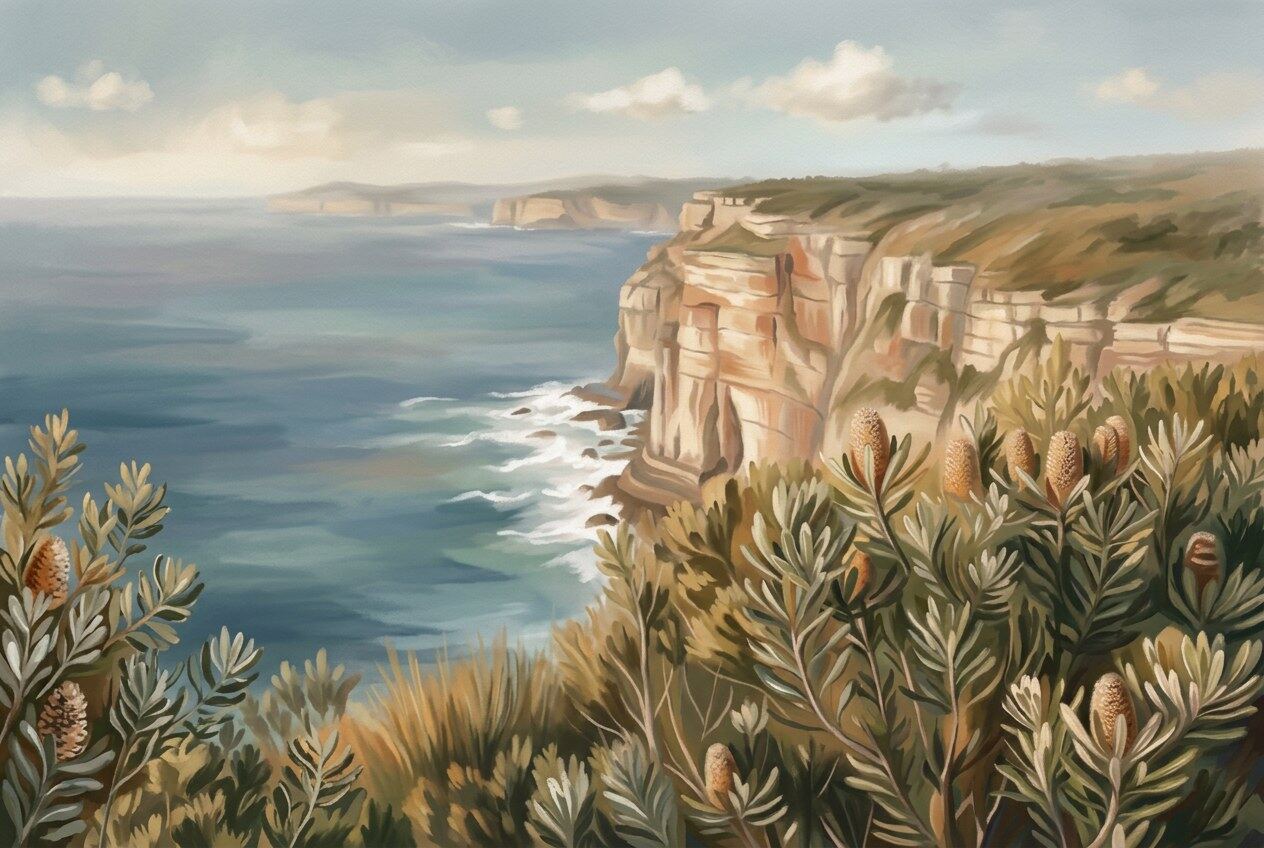
La terra su cui sorge Manly appartiene al popolo Gayamaygal, parte della più ampia nazione Eora. Il loro legame con questo luogo risale ad almeno 40.000 anni fa, il che ne fa una delle culture continue più antiche della Terra.
Il promontorio era un luogo di cerimonie, pesca e riparo. L'abbondanza marina di Cabbage Tree Bay e delle insenature circostanti forniva cibo tutto l'anno. Cumuli di conchiglie e incisioni rupestri esistono ancora oggi in tutto il santuario di North Head.
L'arrivo della First Fleet nel 1788 fu catastrofico. Malattie e sfollamenti trasformarono una popolazione che era prosperata qui per millenni. Proprio a Manly Cove, Bennelong e Colebee furono rapiti nel 1789, e nel 1790 il governatore Phillip vi fu colpito da una lancia. Entrambi i fatti fanno parte della documentazione storica e vanno ricordati, non sorvolati.
I Gayamaygal non sono un reperto storico. La loro cultura è viva e in evoluzione su questa terra ancora oggi.
Per approfondire: Perché Manly si chiama Manly?, AIATSIS, l'Istituto Australiano di Studi sugli Aborigeni e gli Isolani dello Stretto di Torres.
"L'insenatura era profonda, i pesci abbondavano e la gente era del posto. Molto prima delle navi."
Capitolo Due
Insediamento europeo e Manly moderna
Il nome "Manly" deriva dal governatore Arthur Phillip, che nel 1788 descrisse gli uomini aborigeni incontrati all'insenatura come "manly" (virili). Un'espressione che riflette bene lo sguardo coloniale del suo tempo.
A partire dagli anni 1850, l'imprenditore Henry Gilbert Smith si propose di fare di Manly la "Brighton del Pacifico meridionale". Una località balneare di epoca vittoriana servita dalla nuova linea di traghetti, avviata nel 1854 e che, sorprendentemente, è ancora attiva oggi.
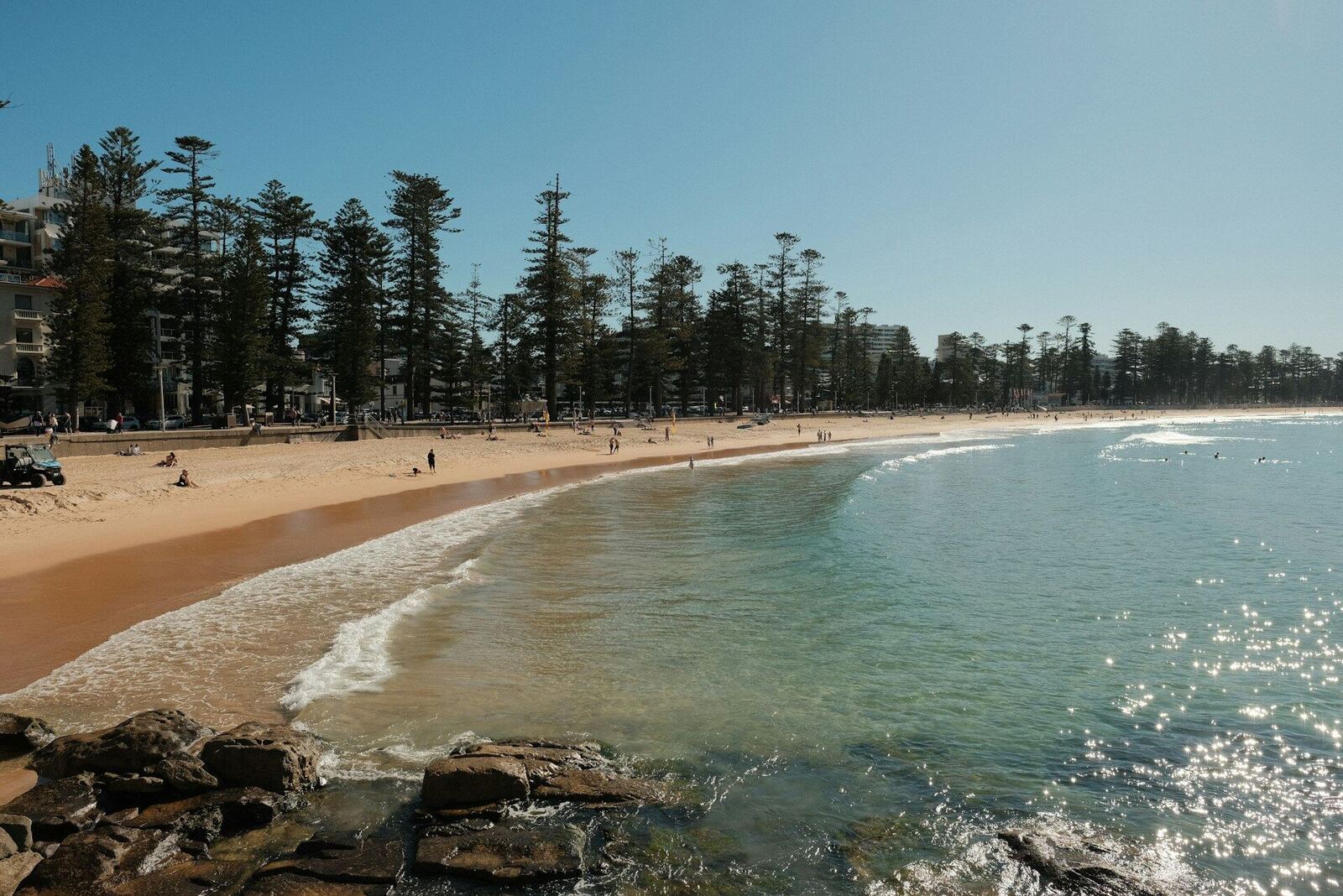
Nel 1915, il nuotatore olimpico hawaiano Duke Kahanamoku salì su Manly Beach con una tavola di legno modellata a mano e regalò all'Australia la sua prima dimostrazione pubblica di surf. Da allora il Paese non è più stato lo stesso.
In cima a North Head, la Stazione di Quarantena fu in funzione dal 1832 al 1984, isolando navi e passeggeri portatori di vaiolo, peste e influenza spagnola prima che raggiungessero la colonia. Il sito è oggi gestito dal Sydney Harbour Federation Trust. E sì, i tour dei fantasmi esistono davvero, e sono uno spasso.
La Manly di oggi è la somma di tutto questo. Una città del surf, un sobborgo sul porto, una meta gastronomica e la casa di una comunità varia che lavora per onorare la storia profonda di questo luogo.
Una cronologia
Il popolo Gayamaygal vive su questa terra. Pesca, cerimonie e l'abbondanza di Cabbage Tree Bay.
Il governatore Arthur Phillip chiama l'insenatura "Manly" dagli uomini aborigeni che incontra qui.
La Stazione di Quarantena di North Head è in funzione per oltre 150 anni, isolando i viaggiatori malati prima che raggiungessero la colonia.
Il primo traghetto attraversa il porto di Sydney fino a Manly. La rotta è ancora attiva oggi, a una nave di distanza.
Duke Kahanamoku fa surf a Freshwater. Il surf australiano inizia ufficialmente.
Un sobborgo costiero vario e progressista. Surf, cibo, tecnologia e una comunità aborigena ancora viva.
I luoghi storici, sulla mappa
La galleria, la stazione di quarantena e St Patrick's — a piedi in un pomeriggio.
Crea il tuo
Trasforma questo in un giorno, in un minuto.
Scegli ciò che ami, tralascia il resto. Il nostro planner combina traghetti, spiagge, passeggiate e pasti in una singola giornata sensata, e te la invia via email.
COSTRUISCI IL MIO ITINERARIO