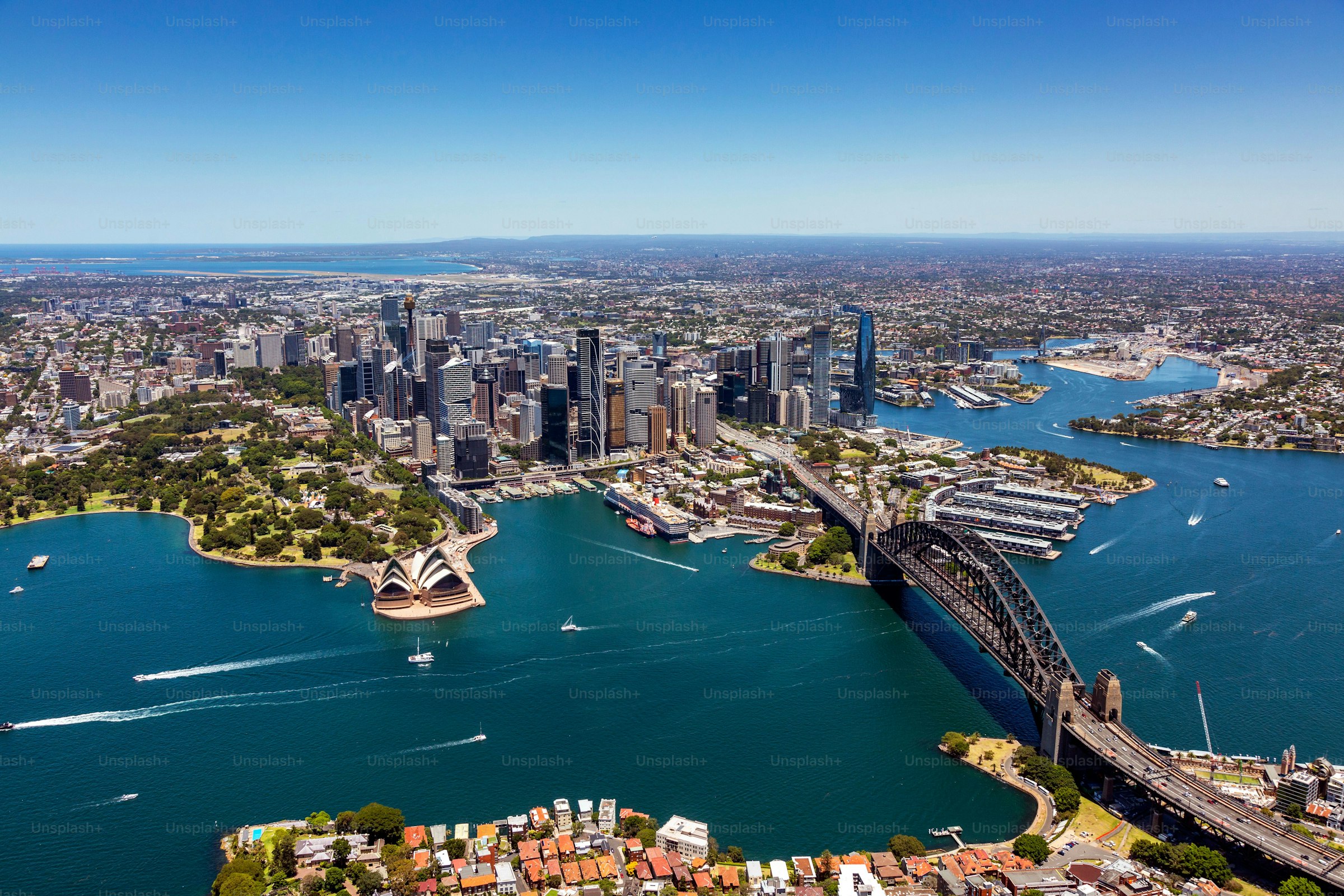
For three or four months every year, Manly sits directly on the front row of one of the great wildlife events on the planet. From late May through mid November, an estimated 40,000 humpback whales swim past North Head on their annual round trip between the Antarctic feeding grounds and the warm calving waters off the Whitsundays. They breach, slap, spy-hop and sometimes swim within a hundred metres of the headland.
You don't need a boat to see them — a thermos and a spot on North Head will do — but if you want a close encounter, Manly happens to be the best wharf in Sydney to leave from. The Heads sit ten minutes out, and the whales are usually no more than half an hour beyond that.
This guide pulls together what we've learned over a decade of winters: when to come, which species you'll see, where to watch from for free, and which operators have earned their five-star ratings.
The migration in one chart
The east coast humpback migration has two distinct legs. The "northern run" happens from May to August — adults heading from Antarctica up to the Great Barrier Reef to mate and give birth. The "southern run" happens from September to November — the same whales, plus brand-new calves, working their way back down to the feeding grounds. The southern leg is slower, closer to shore, and gives you the best chance of seeing mums teaching calves to breach.
Source: ORRCA sightings log · NSW NPWS Wild About Whales · operator records 2018–2024
Two practical takeaways. June and July are the absolute peak for sheer numbers — sightings are essentially guaranteed and operators usually advertise it that way. September and October are the connoisseur's months — fewer whales overall but the closest passes, the most playful behaviour, and the highest chance of seeing a calf.
What you'll actually see
The headline act is the humpback whale (*Megaptera novaeangliae*). Adults are 14–17 metres long, weigh 30–40 tonnes, and are the most acrobatic of the great whales — they're the ones doing the full-body breaches, pectoral slaps and tail throws that make the postcards. The east Australian population has rebounded from a few hundred in the 1960s to around 40,000 today, which is why a Manly winter feels nothing like it did even twenty years ago.
You'll also see:
- Southern right whales — rarer, slower, no dorsal fin, often hugging the coastline. Usually June through September. They sometimes loiter for days inside the Heads.
- Common and bottlenose dolphins — year-round, often surfing the bow wave of whatever boat you're on. Pods of 50–200 are not unusual.
- Long-finned pilot whales and orcas — uncommon but not rare; a handful of confirmed orca encounters happen off Sydney each winter.
- Australian fur seals — easiest seen at Cabbage Tree Bay or hauled out on Shark Island.
The single best behaviour to hope for is a "mugging" — the technical term for when a curious whale stops the boat and spends fifteen or twenty minutes inspecting it from underneath. It happens a few times a season on the smaller operators and ruins you for normal wildlife encounters forever.
Watching for free, from the cliffs
You don't need to spend a dollar. Three spots above Manly give you a real chance of seeing whales with nothing but a coffee:
- North Head Lookout — the southern jaw of Sydney Harbour, the closest point of land to the migration corridor. Whales often pass within 500m. Best early morning, calmer seas, lower glare.
- Shelly Headland (Cabbage Tree Bay) — the sandstone bluff at the southern end of Shelly Beach. Lower vantage, but the whales come in closer here because of the bathymetry.
- Q Station and Fairfax Walk — the easy loop track around the tip of North Head. Multiple benches, multiple viewing platforms.
NSW National Parks runs free volunteer whale-spotting weekends in June and July through the Wild About Whales program — knowledgeable volunteers with high-powered scopes who'll point out what's actually breaching out there.
The operators worth booking
Three Manly-based outfits dominate the local scene. Each does something genuinely different — pick based on what kind of trip you actually want.
### 1. Manly Ocean Adventures / Ocean Extreme
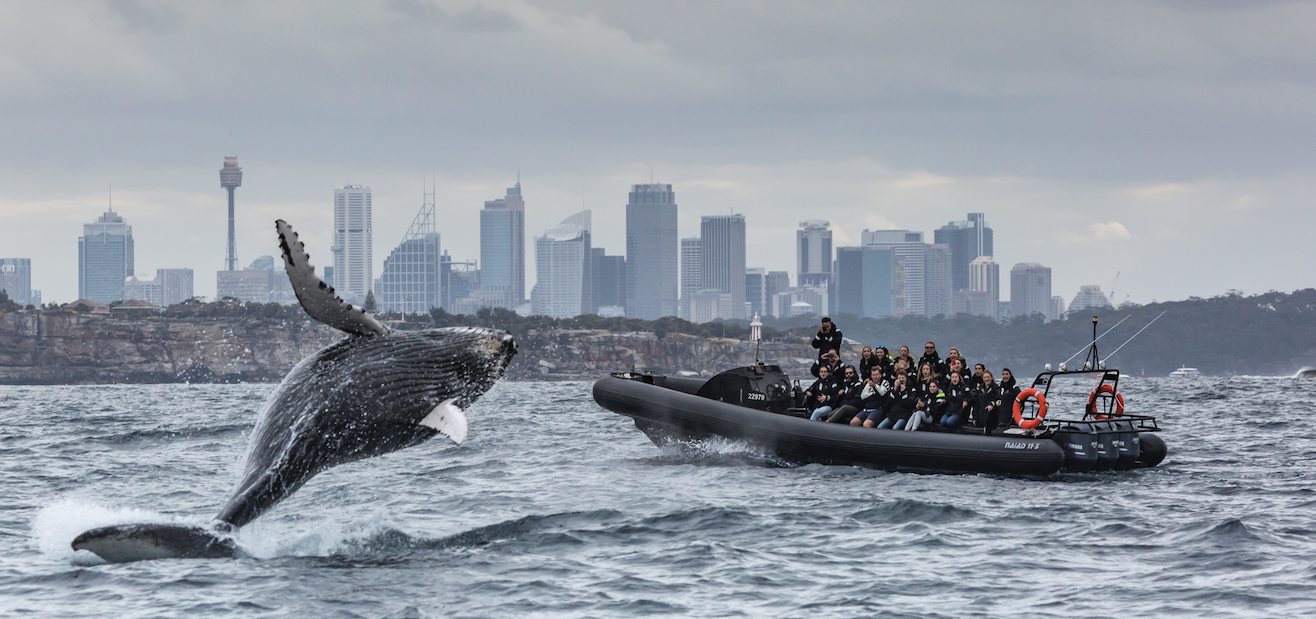
The fastest and most adrenalised way to meet a whale. A family-owned operation running three vessels — the open-air Extreme, the military-spec Orca RIB, and the slightly more comfortable Osprey — all of which are noticeably quicker than the standard cruise catamarans, which means more time with whales and less time getting to them. Sightings guaranteed (free re-trip if you miss out).
- Departs: Manly Wharf (also Circular Quay and Rose Bay)
- Duration: 1h 30m from Manly Wharf
- Price: $139 per person
- Season: May to mid November
- Best for: Photographers and anyone who wants the open-deck, salt-in-your-face experience. Not for small children or anyone prone to seasickness.
Manly Ocean Adventures — Whale Watching
### 2. Champagne Sailing (Manly Whale Watching)
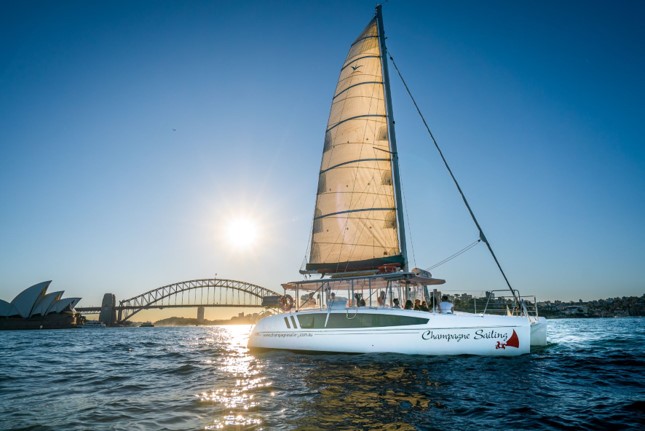
The other end of the spectrum: a 12-seat luxury catamaran that leaves direct from Manly Wharf, BYO food and drink, 360-degree viewing decks and the kind of unhurried pace that suits a long lunch. Three to three and a half hours on the water with expert commentary. Also runs as a private charter.
- Departs: Manly Wharf
- Duration: 3–3.5 hours
- Price: From AUD $99 per person (private charter from $950)
- Capacity: 12 guests max
- Best for: Couples, small groups, anyone who wants comfort and conversation over speed. Sightings guaranteed.
Champagne Sailing — Manly Whale Watching
### 3. Fantasea — 2hr Express Whale Watching
Not strictly Manly (it leaves from Campbell's Cove at Circular Quay) but worth including because it's the easiest combo with a Manly Ferry day trip — take the ferry across, walk to Campbell's Cove, jump on a cruise, ferry back. Fantasea runs the largest viewing catamarans, the most departures, and the best family pricing.
- Departs: Campbell's Cove, Circular Quay
- Duration: 2 hours
- Price: $91 adult, $67 child (4–15), $258 family of four
- Schedule: 9:30am, 12:00pm, 3:00pm daily in season
- Best for: Families, first-timers, anyone who wants a covered indoor option if the weather turns.
Fantasea — 2hr Express Whale Watching Cruise
Pairing whale watching with the rest of your day
The cruises are short enough that you'll have most of the day left. The most obvious pairings, in order of how well they actually work:
- Walk the North Head loop. Two hours, clifftop the whole way, you'll almost certainly see another whale or three. Finish at Bella Vista Café for a coffee with a view of the Heads.
- Cabbage Tree Bay snorkel. Water is cold in winter (16–18°C) but visibility is at its best. Hire a 5mm wetsuit from Dive Centre Manly. Blue gropers, wrasse, occasional turtles.
- Lunch on the wharf. The Felons Brewing precinct, Hugo's, and the upstairs seafood bars at Manly Wharf are five minutes from where your boat ties up. The brewery has whale-watching specials through winter.
- Q Station tour. The old quarantine station on North Head runs a sobering, excellent history walk. Bookable through their website.
- Manly Art Gallery and Museum. Free, small, has a permanent collection on the Manly surf and the whaling history that almost ended this migration entirely.
A short, opinionated FAQ
Do I really need to book ahead? In June and July, yes — weekends sell out a week in advance. In September and October you can usually walk on the same day.
What about seasickness? The smaller boats are faster but rougher. Take Travacalm an hour before you board; eat a normal breakfast (not a heavy one, not none); and stand outside on the deck rather than sitting inside. Most modern stabilised catamarans are fine for most people.
Will I actually see a whale? Every Manly operator offers a free re-trip if you miss out. In June and July, the question is closer to "how many will we see" — twenty-whale days are normal.
What should I wear? Layers, a windbreaker on top, closed shoes, and a hat. The deck is fifteen degrees colder than the wharf, and the spray will get you. Bring polarised sunglasses — they cut the glare so you can see whales below the surface.
Is it ethical? The Australian whale-watching guidelines limit boats to a 100m approach (300m for mothers with calves) and forbid chasing. The reputable operators all stick to the rules. Whale numbers are higher now than at any point since commercial whaling began — this is genuinely one of the great conservation success stories of the southern hemisphere.
The honest summary
If you can come in any week of the year and you care about whales, come in mid-June. If you want the most generous mix of whale sightings and Manly's other charms — bright winter days, empty surf, the Corso to yourself — come in September. If you want the closest passes and the highest chance of seeing a mother with a brand-new calf, come in mid-October.
And whatever you do, give yourself one slow morning on North Head with a thermos before you book a boat. Half the magic of the Sydney migration is realising it's happening within sight of the city, every year, whether anyone's watching or not.
Plan your day
Pick the parts you like best and we'll stitch them into a sensible day, ferry times included. Build my itinerary →